diffusion; a meddling
An event by the Martin Roth-Initiative with artistic contributions by fellows
17 OCTOBER 2026 / 18:00 – 01:00 AT ZK/U Berlin
Diffusion describes a process of blurring and obscurity based on a moment of permeability. This event organised by the Martin Roth Initiative takes the physical phenomenon as a starting point to reflect on the movement of ideas, people, memories, and aesthetic forms:
Which membranes are permeable, and for whom? Who decides and who prohibits; who can participate, and who is excluded from the process of diffusion? And what potential does it hold?
Peer-curated by E. N. Mirembe and Zeynep Güzel, the evening brings together international artistic positions by MRI fellows from diverse contexts and disciplines, fostering a dialogue that explores the trajectories, layers, and shifts within whose ambiguities the artists develop their work.
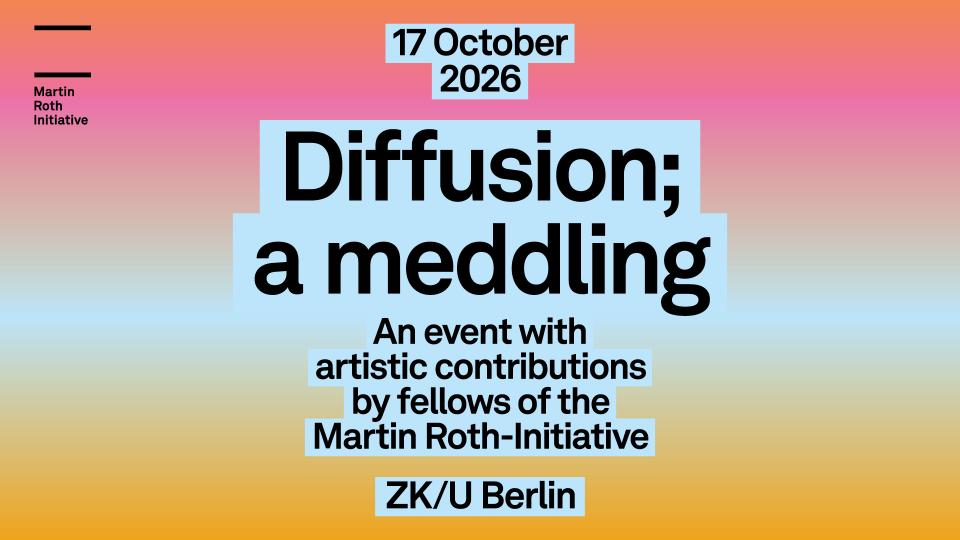
Illustration: Natalia Zaitseva
The curatorial intervention is conceptually anchored in the idea of diffusion, understood both as a scientific process and as a cultural-political-emotional condition. In the sciences, diffusion describes movement across boundaries, a permeation of particles, energy, light, information from one state or location to another.
Diffusion seems an almost inevitable, natural consequence of difference. Taking on this metaphor politically must necessarily begin by disturbing the assumed nature of membranes that people and ideas must cross in a globalised, yet increasingly polarised world. Sometimes permeable, maybe impermeable, perhaps selectively so, we are interested in the permissions and prohibitions, invitations and expulsions, the economies and institutions that facilitate and interrupt life-making.
The artists gathered have different relationships to the idea of exile. Existing in varied tension with Germany, we are interested, not necessarily in the ways their work attends to the crossing of borders, but in the ways their practice is marked by it and how in turn they mark their place within. We are resistant to the demand of making that cultural difference legible and turn instead to the uneven, ongoing processes through which it is being negotiated. To live somewhere is not necessarily to arrive there.
For much of the postwar period, the Federal Republic of Germany maintained the political fiction that it was kein Einwanderungsland—not a country of immigration—even as migration fundamentally remade the social, economic and cultural life of the country. The question of who can inhabit Germany without being continually returned to an elsewhere has not disappeared. It is acquiring renewed urgency as the political anxieties of the far right are increasingly audible within mainstream discourse. What does it mean to keep doing this cultural work in this precarity? It is useful to reflect on and provoke the release of the limiting forms of emancipation that can themselves become restrictive—structural, political, and even poetical—that have long been imposed on the artists joining the programme, and to ask why we are doing this work here and now.
Germany, and by extension Europe, is in a moment where the facade of seemingly solid governmentalities, inclusive social frameworks and structures is coming undone. This is the condition of the belly of the beast. The frontiers at which the work on creating equality, solidarity, awareness, counter-fascist policies are increasingly suffocated. What happens when the spaces in which these possibilities are imagined and fought for begin to contract? What happens when the political conditions that make solidarity possible become themselves precarious? Perhaps this is where exile begins, not necessarily as a geographical departure, but as a growing distance between the world we inhabit and the world we have understood ourselves to be working towards. Exile creates a space; it is, in a sense, a vision of a dark future—and perhaps we are already at that point collectively. To be in exile, then, might also mean to inhabit the anticipation of a future in which one’s place within a social or political order can no longer be assumed. This means our allies in the context of Germany or in Europe have also arrived at their point of exile without actually being on an actual one (yet.) Exile can also, then, be understood as a timespace we are inhabiting.
In Politics and the Other Scene, French philosopher Étienne Balibar has argued that borders are no longer adequately understood as lines marking the geographical edges of states. They are dispersed throughout social space, appearing wherever belonging is verified, differentiated and policed. The border can reappear at an immigration office, in the labour market, at an airport, in access to housing, in the demand for documentation, in the question “Where are you really from?”. It can be bureaucratic, economic, linguistic, or intimate. In thinking with diffusion, the membrane that separates determines what may pass, in which direction, under what conditions. What moves is transformed, certainly, but so too is the environment through which it moves.
We are thinking of the gradients, layers, dispersion, redistribution through which artists are working. Some of the contributing artists have used concepts such as alchemy—one proposes a journey open to anyone curious about the emotions these themes stir, an intention to alchemise and release them through the shared language of music. Others have expanded on the context of extractivism, examining across installation, drawing, video, performance, archival research, and curatorial practice how historical memory, monuments, migration, and labour are constructed, erased, and transformed. Another turns to the lecture performance as a form, taking the desire path—the unmapped shortcut worn into the ground by repeated footsteps, the sensible deviation from paths built "for our own good"—as a way of thinking through how we move under pressure, when our bodies feel trapped, helpless, alone. And another asks whether we can partake in political discourse without the right to vote, or communicate our concerns without the language to do so—turning a party-setup into a confessional, a group therapy session, a dance workshop, a protest, where the dancefloor becomes a space in which anger and joy coexist and our stories can be shared. In fact, they are all telling us something from the point where these ideas intersect.
In its simplest scientific description, diffusion continues until concentrations become evenly distributed. Transposed into social life, however, equilibrium resembles a more troubling political fantasy that difference will eventually dissipate or that those who arrive will become indistinguishable from the medium into which they have entered, or that successful integration can be measured by the disappearance of whatever once marked someone as elsewhere. What we are proposing here is a meddling; a less orderly geometry which allows for scattering, concentration, contamination, proximity; for attachments that extend simultaneously in several directions, for paths made by leaving the path. We ask, where do sublimation and art-making stand within all of this?
Zeynep Güzel & E. N. Mirembe
Curators
Programme
Information on the programme schedule follows shortly.
Biographies
is a visual storyteller and creative researcher whose work illuminates political inequities, memory, and the ethical dimensions of human experience. Her practice is driven by a philosophical exploration of how personal and collective histories, imagination, and witness shape knowledge, ethics, and meaning.
She holds a Bachelor’s degree in Information Technology and Mathematics from the University of Khartoum, Sudan, bringing analytical rigor and interdisciplinary insight to her practice in visual and written forms.
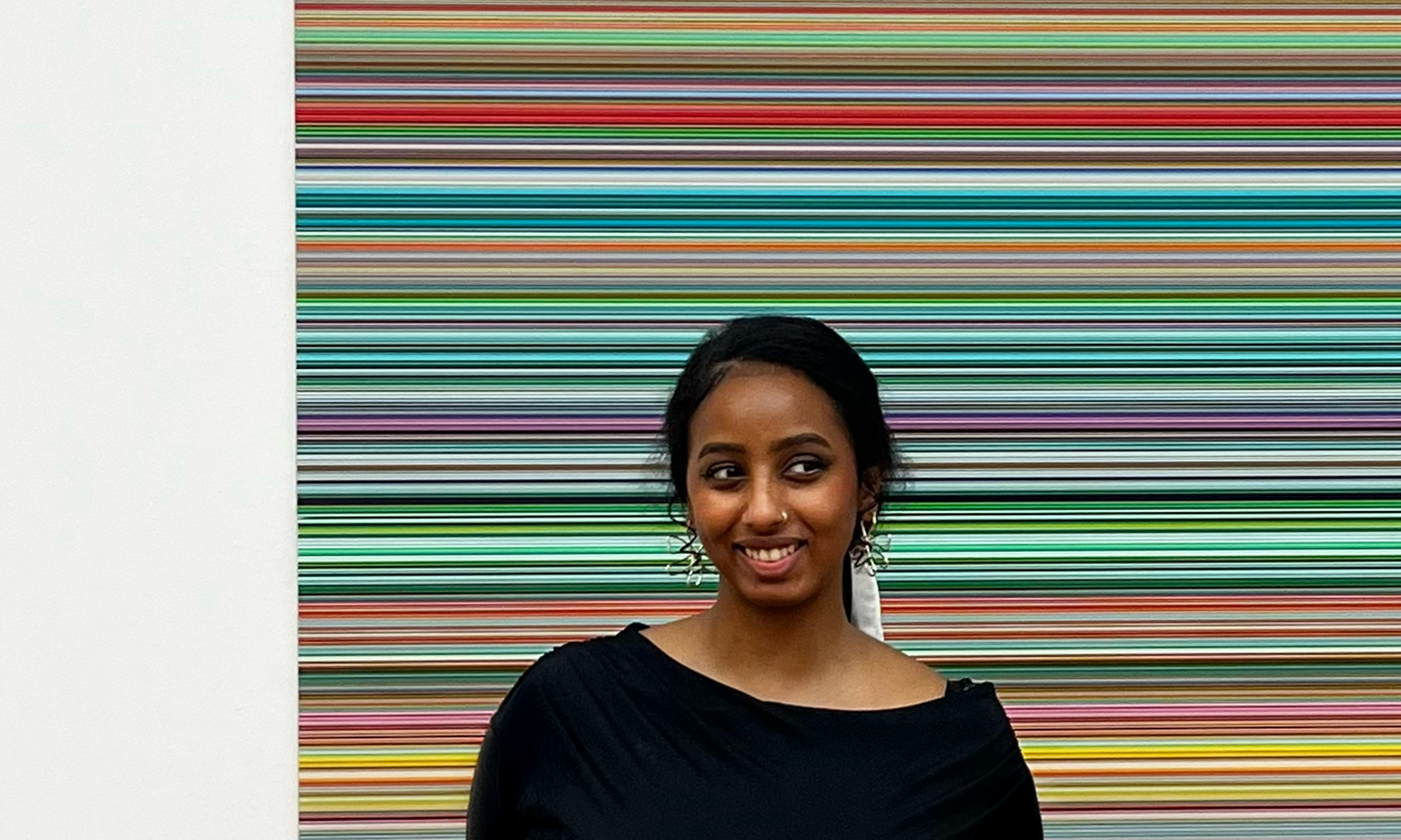
is a writer-director and film consultant based in Berlin. Zeynep is responsible for DOK Short n’ Sweet at DOK Leipzig, a senior consultant at the Documentary Association of Europe (DAE), and a selection committee member for IDFA Bertha Fund and Chicken & Egg Films.
Zeynep previously led the Berlinale Talents Doc Station and headed the Yeni Film Fund of Türkiye. Zeynep’s work spans mentoring, curation and moderation at key industry events and academic programmes, including Berlinale EFM, Marché du Film – Cannes Docs, DOK Leipzig, Thessaloniki International Film Festival, and the Norwegian Film School. Zeynep wrote, directed and produced the feature documentary Come Rain or Shine (2019) and is a member of the European Film Academy.
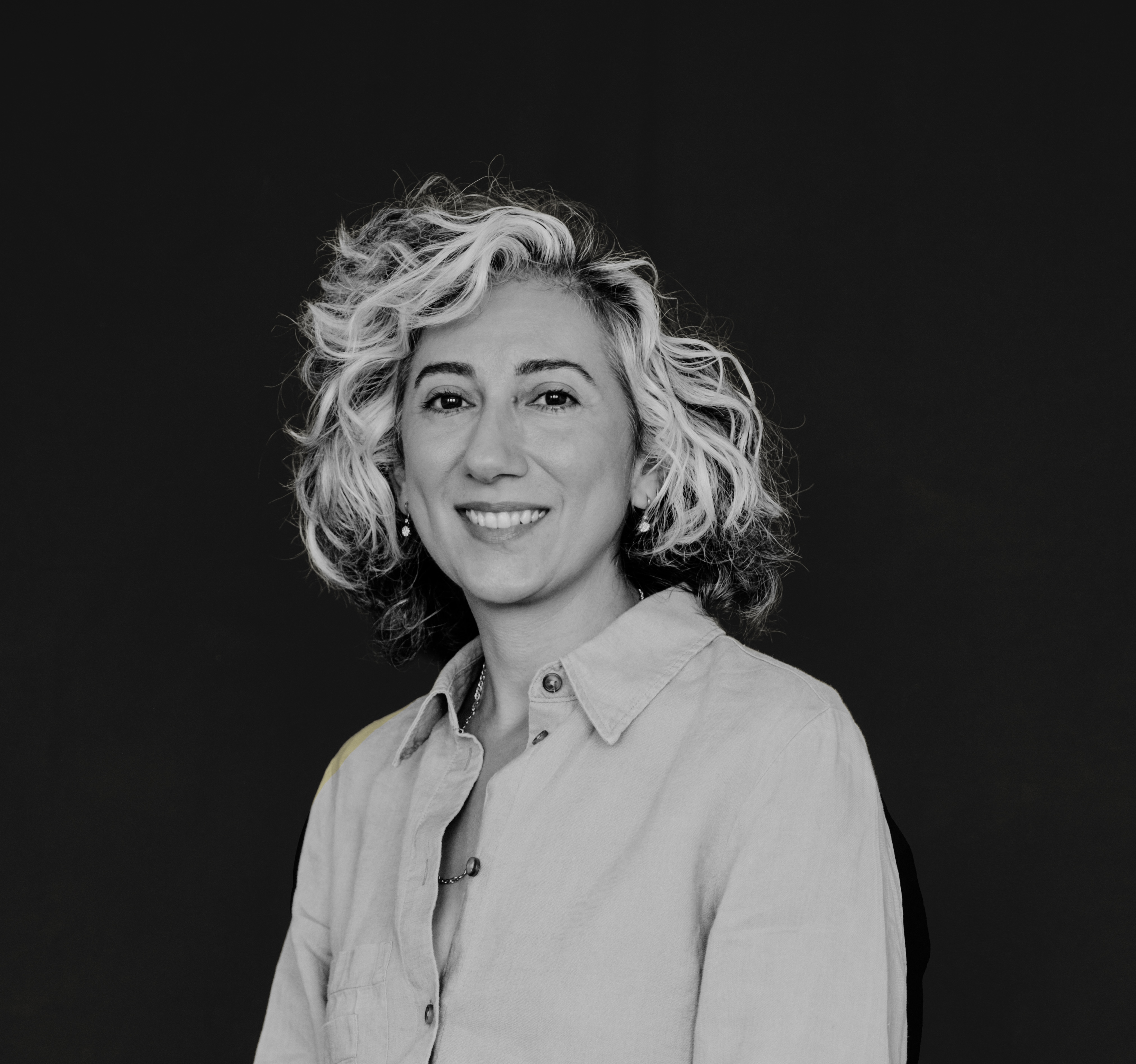 Image: Edze Ali
is an independent film director and the founder of Pink Space, a Beijing-based NGO dedicated to promoting sexual rights and gender equality.
As a teenager, He worked as a shepherd in the hills. After graduating from university, she joined the Chinese Mountaineering Team and climbed the Himalayas, including the Namcha Barwa summit. Following her mountaineering career, she served as an economist at the State Council, conducting research on economic reform for 14 years.
Since the 1990s, she has been active in the feminist and lesbian movements in China and participated in the 1995 United Nations Fourth World Conference on Women. She later moved to the UK to pursue studies in sexuality and cultural studies, earning a Ph.D. before returning to China, where she founded Pink Space and began working with film as a medium to represent marginalised desires and lives.
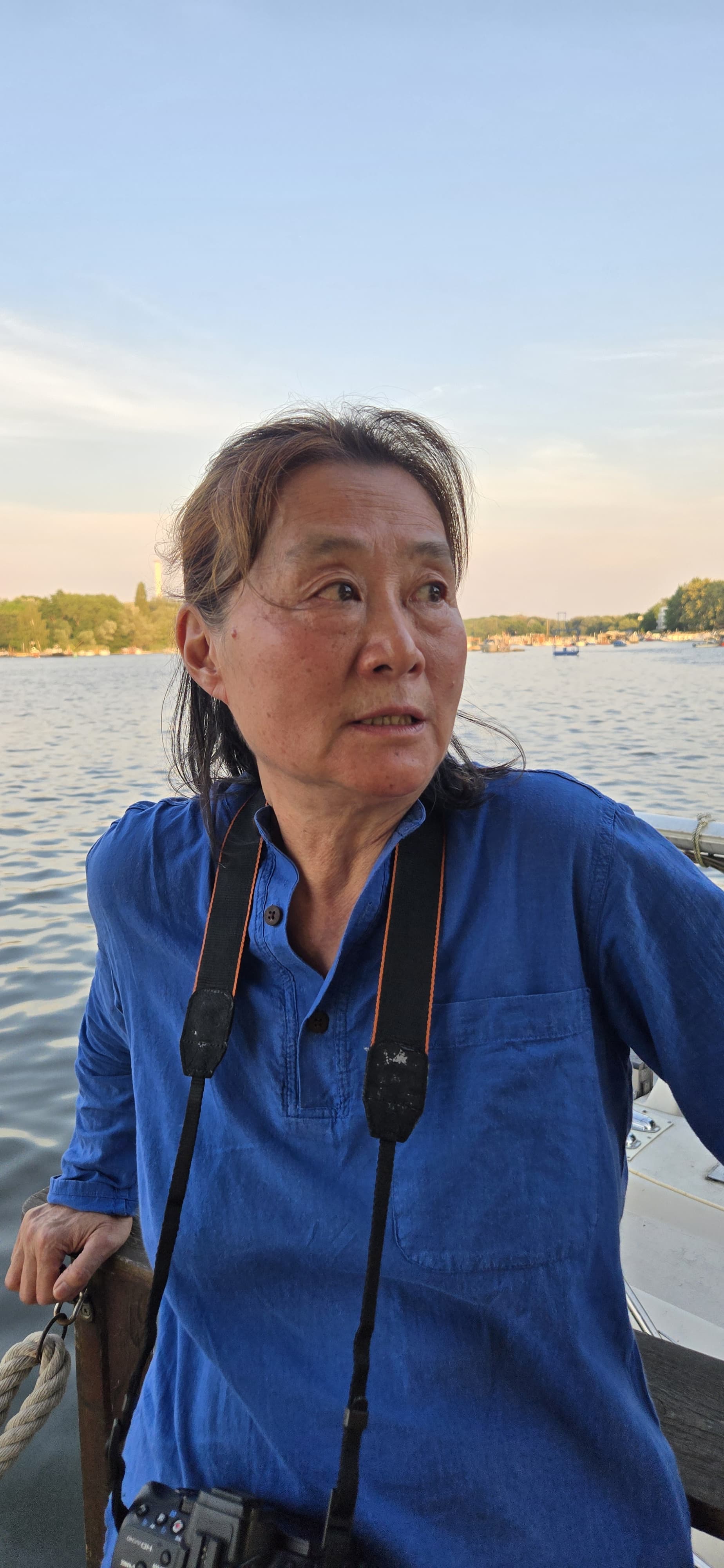
Image: Mariam Gagoshvilli
is a Belarusian artist and curator living in exile in Berlin. He graduated from the Graphic Arts Department of the Belarusian State Academy of Arts in Minsk in 2015 and has been a member of Problem Collective since 2016. Working across installation, drawing, video, performance, archival research, and curatorial practice, he examines the construction and erasure of historical memory, political histories, monuments, migration, labour, and extractivism. His projects often connect archival materials with contemporary political realities, tracing the ways in which historical narratives are produced, preserved, and transformed.
His work has been presented at the Matter of Art Biennale in Prague, Galerie 5020 in Salzburg, the Museum of Emigration in Gdynia, and Galerie im Körnerpark in Berlin. His recent exhibitions include Half-Life: 40 Years after Charnobyl - The Belarusian Fallout at ABA/UQBAR in Berlin, Margins at TBA Gallery in Warsaw, and the Neuköllner Kunstpreis 2026 at Galerie im Saalbau in Berlin.
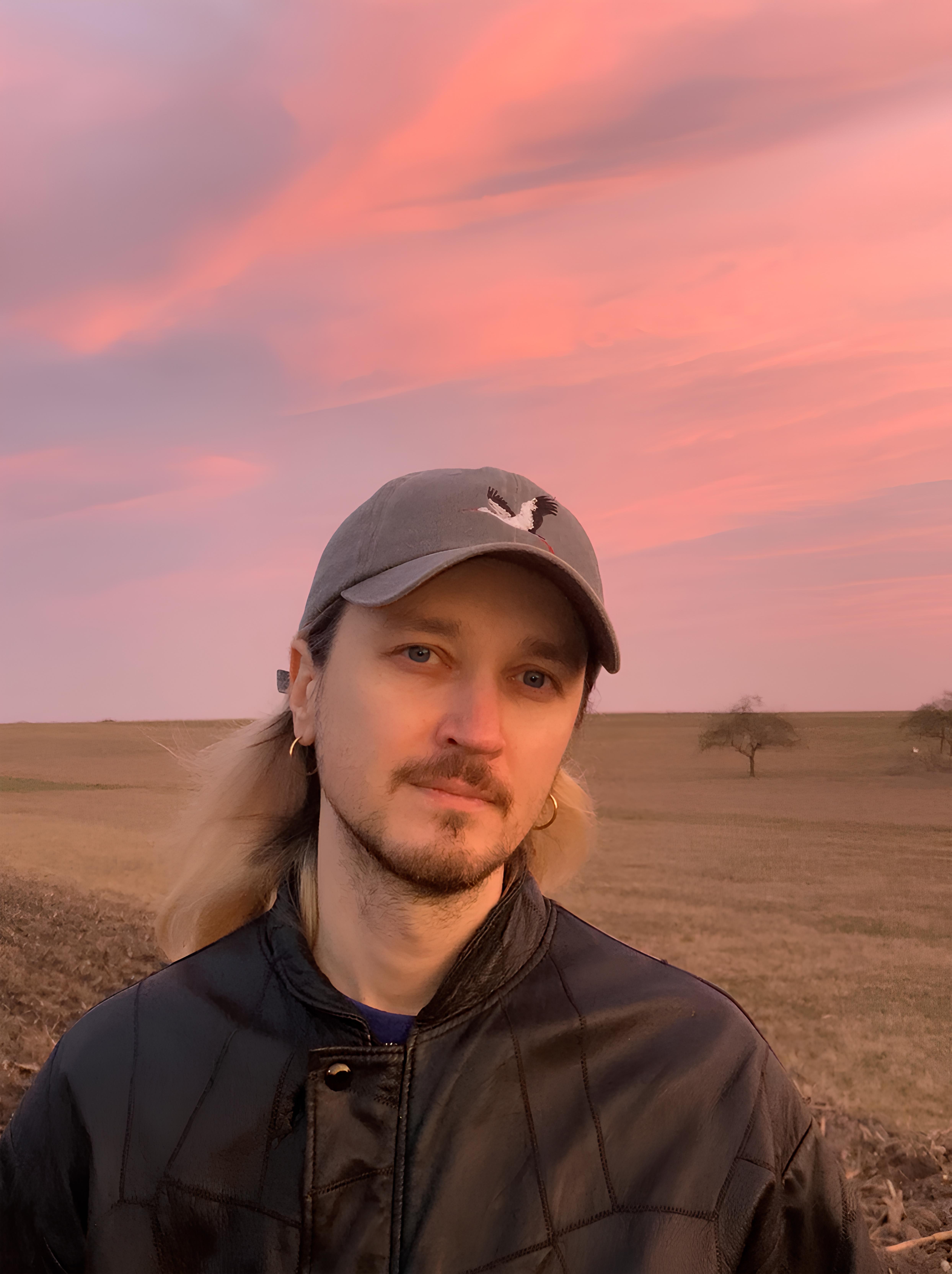
Image: Lesia Pcholka
is a Belarusian democracy leader, musician and prominent voice of civil society. In 2020, she became one of the leading figures of Belarus’s democratic movement, advocating for free and fair elections, the rule of law and nonviolent civic resistance. After refusing forced deportation, she was imprisoned and spent more than five years as a political prisoner.
Since her release, she has continued her political, artistic, and public work, linking democracy, culture, and dialogue. Her work has been recognized with the Sakharov Prize for Freedom of Thought, the International Women of Courage Award, the Václav Havel Human Rights Prize, and the International Charlemagne Prize. She also holds an honorary professorship and an honorary doctorate in Austria and, since 2026, has been a Kissinger Fellow at the McCain Institute.
Kalesnikava studied in Minsk and Stuttgart and holds master’s degrees in Early Music and Contemporary Music. She co-founded the InterAKT Initiative in Stuttgart and served as Artistic Director of OK16 cultural centre in Minsk. Today, she focuses on strengthening democratic dialogue, civic responsibility, and Europe’s political and cultural resilience.
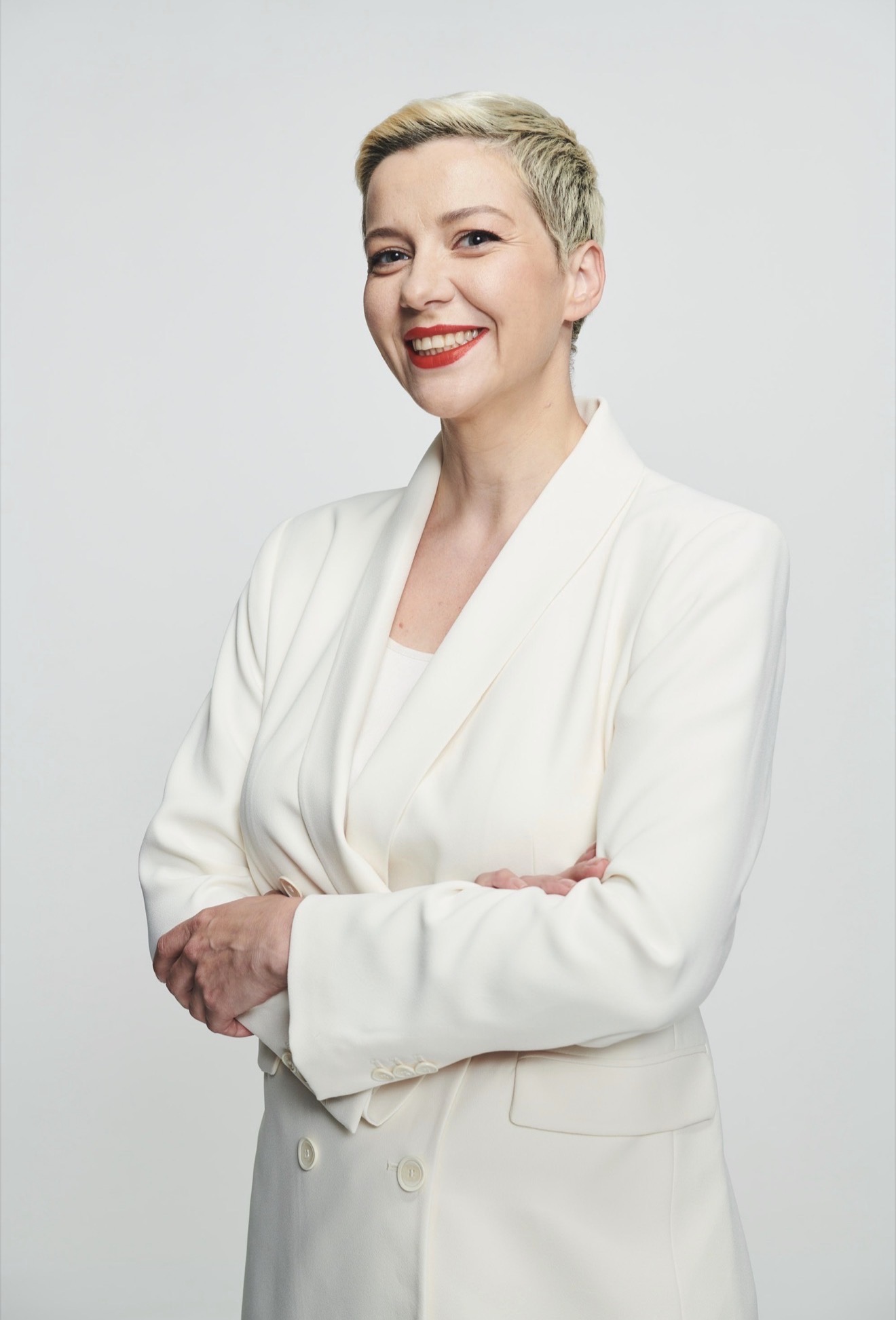
Image: Leidik
is a curator and writer. They have curated exhibitions including; in transit under another sky as part of the 2025 Coventry Biennial as well as in Kampala, Nairobi and London between 2024 and 2025, Sonic Commons (Nairobi, 2026), The Geography of Fixed Things (Shenzhen, 2025), Forms of Fray (Nairobi, 2025), Njabala: An Elegy (Kampala, 2024), and at the limit of dream (Brussels, 2023).
Their writing is published in Camera Austria, Artforum, Contemporary And, Africa is a Country, African Arguments, and others. They have edited four books including Unbreakable Bonds (2019), And Morning Will Come (2020), The Geography of Fixed Things (2025), and Stella Nyanzi’s poems from prison: No Roses From My Mouth (2020).
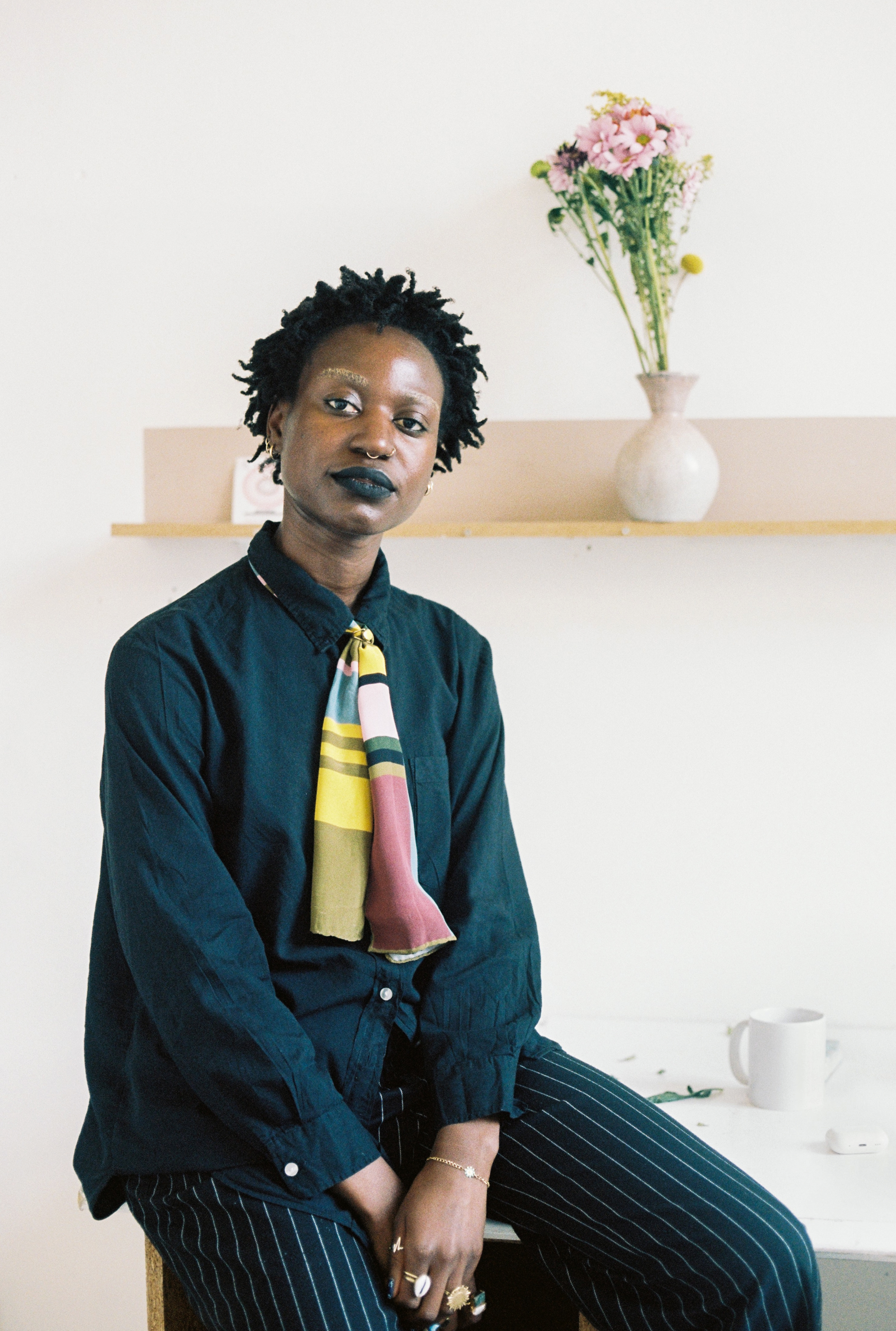
Image: Miles Fischler
is an Iranian media artist, sound artist and composer-performer whose work explores the interplay between sound and perception, creating immersive experiences that challenge how we listen and relate to our surroundings.
With a background in photography, theatre and cinema, she is interested in the storytelling power of music and sound as a way to listen to the past and embed messages within their archival potential. Her projects incorporate spatiality as an active element in the process of creating immersive art, exploring interconnections between modes of sonic attention and concepts of space.
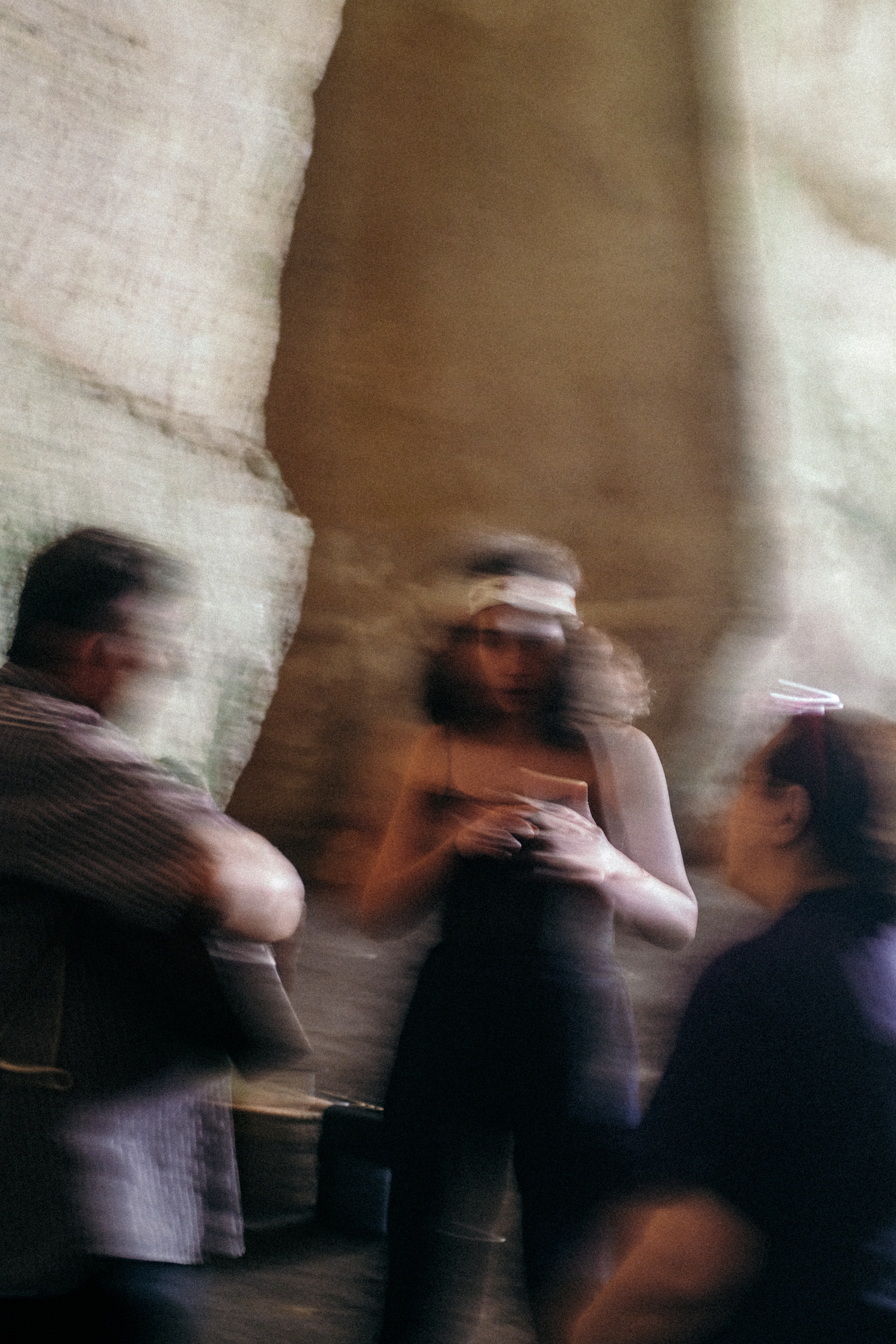
Image: Giuseppe Romano
is a multidisciplinary artist and curator from Belarus. In 2022, escaping the ongoing political persecutions against cultural workers, she moved to Berlin. In her artistic practices Pogodina applies an intersectional lens to her research of identity layers, memory, shapes of resilience and the nourishing powers of community. Her work across different media, including writing, sound and photography, focuses on the fine line between vulnerable, deeply personal, eclectic experiences and the demanding ‘objective’ social reality that absorbs every individual.
Curator of the feature film competition at the Neisse Nysa Nisa film festival. Artist-in-Residence at the Altrove/Anderswo/Ailleurs writer's residency as part of the Kultur Ensemble Palermo, 2023. Martin Roth- Initiative scholarship holder, 2022-2023. Jury member of Confrontations - Human Rights Film Competition” at the International Short Film Festival Berlin - Interfilm, 2022.
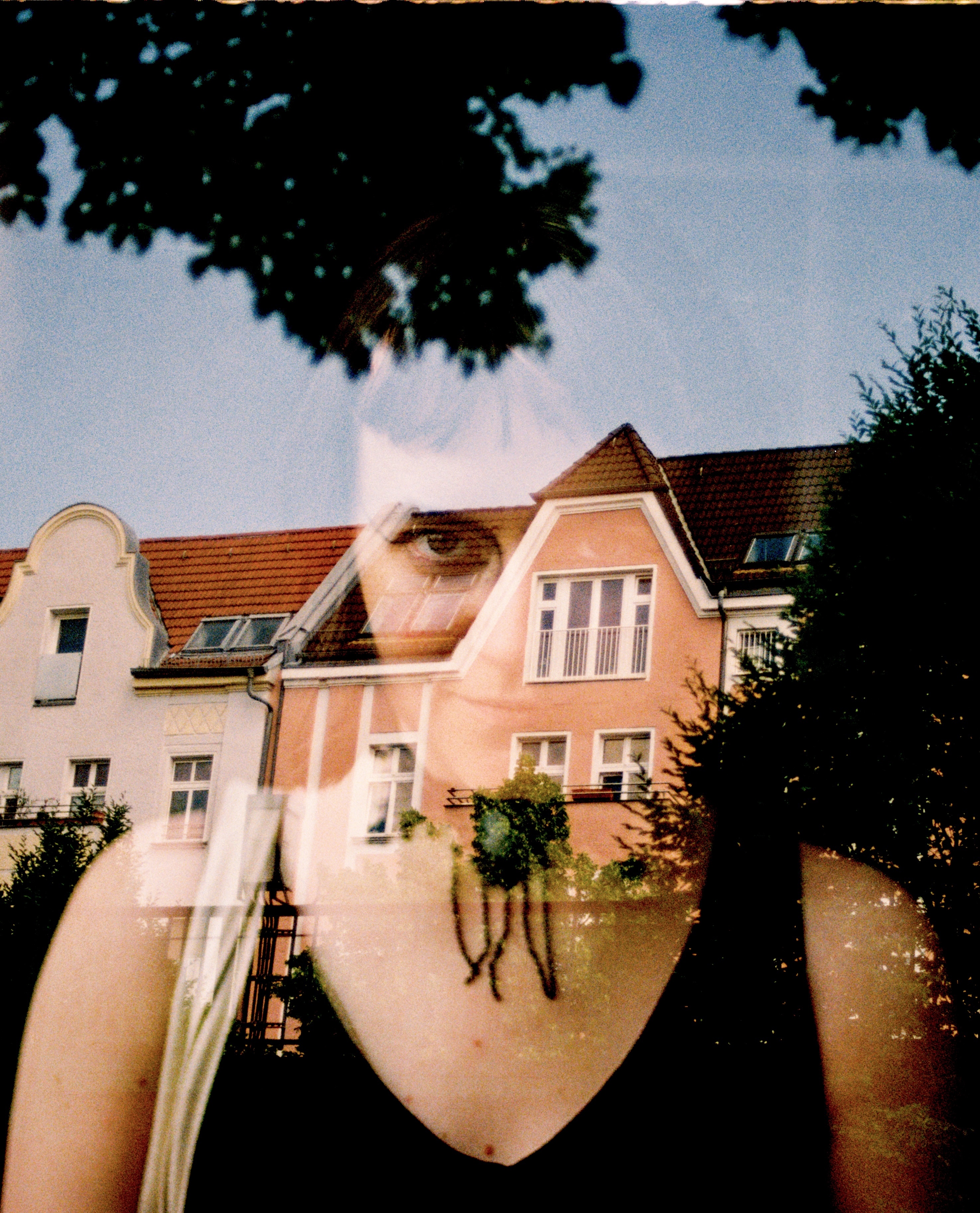
Image: Alinele Grotesque
is a sound artist, composer, and performer working at the intersection of electroacoustic composition, feedback systems, and installation art. Trained as a classical viola player she later turned to computational and live electronic practice.
Her work explores resonance, energy, and the boundaries between acoustic and electronic systems. She is a member of the Russian feminist protest and performance art collective Pussy Riot. Her practice is inseparable from political commitment and transparency as an aesthetic value.
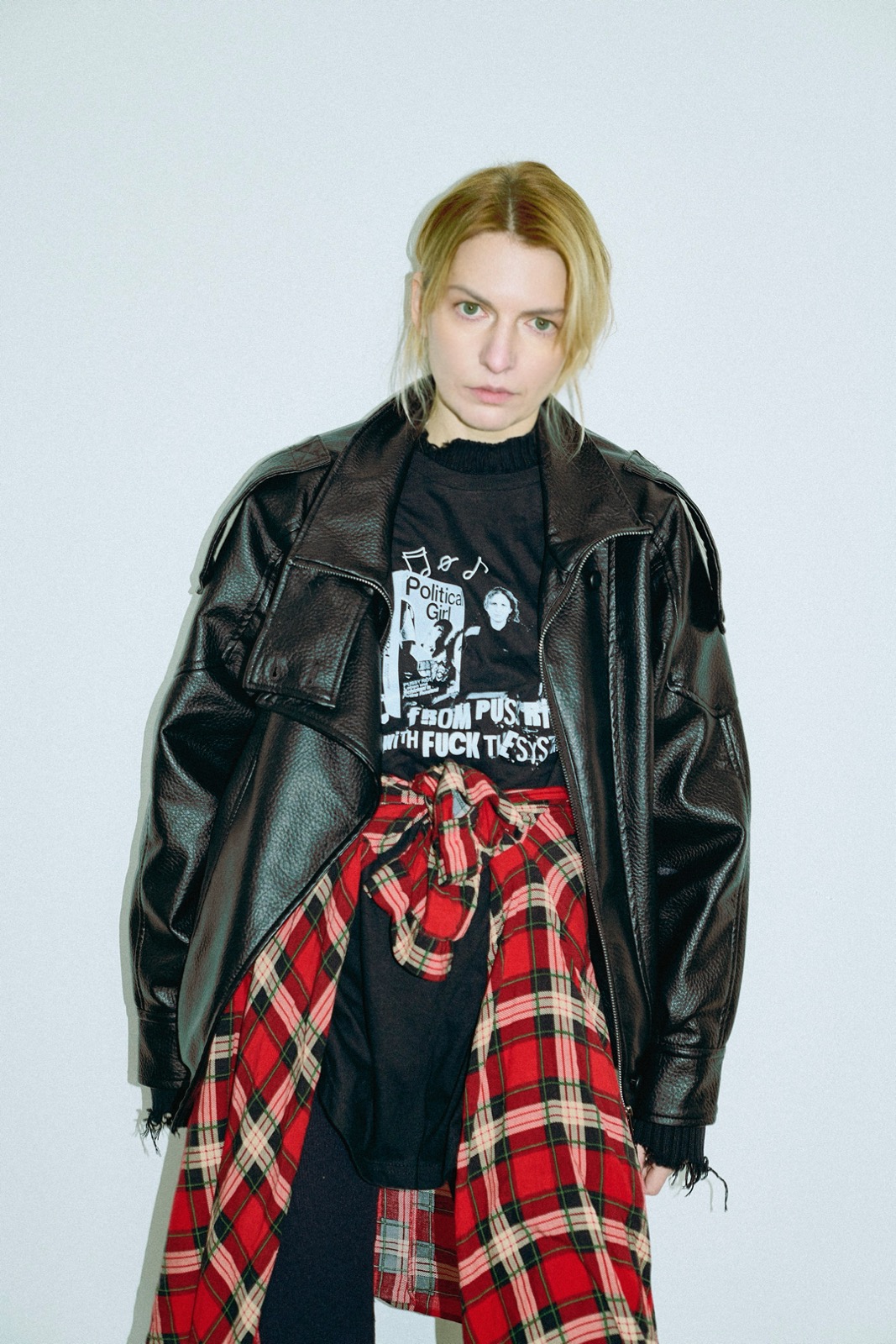
Image: Marine Reed
is an actress, director, and interdisciplinary artist working across performance, moving image, installation, theatre, and film. Born in Germany in 1981, she is based in Istanbul. She holds a bachelor’s degree in Urban and Regional Planning from Yıldız Technical University and an MA in Acting from the Film and Drama Department at Kadir Has University. She has participated in international festivals and theatre institutions including Festival Theaterformen, Heidelberger Stückemarkt, Internationale Theaterwerkstatt, Dancing on the Edge, Aradafestival, A Corner in the World, and the Istanbul Theatre Festival.
She played the lead role in The Pillar of Salt (Tuzdan Kaide), which premiered at the 68th Berlin International Film Festival. In 2019, she wrote and directed Ara/Zwischenraum at Theater und Orchester Heidelberg. In 2024, she presented her first solo exhibition, bringing together video, performance, and installation, at Kunstpavillon München. Her practice explores feminist and queer spatial practices, urban memory, ecological grief, and relationships between human and non-human worlds. Drawing on archival research, oral histories, and site-responsive and participatory approaches, she examines how bodies, places, and collective memories are shaped, transformed, and inscribed in landscapes.
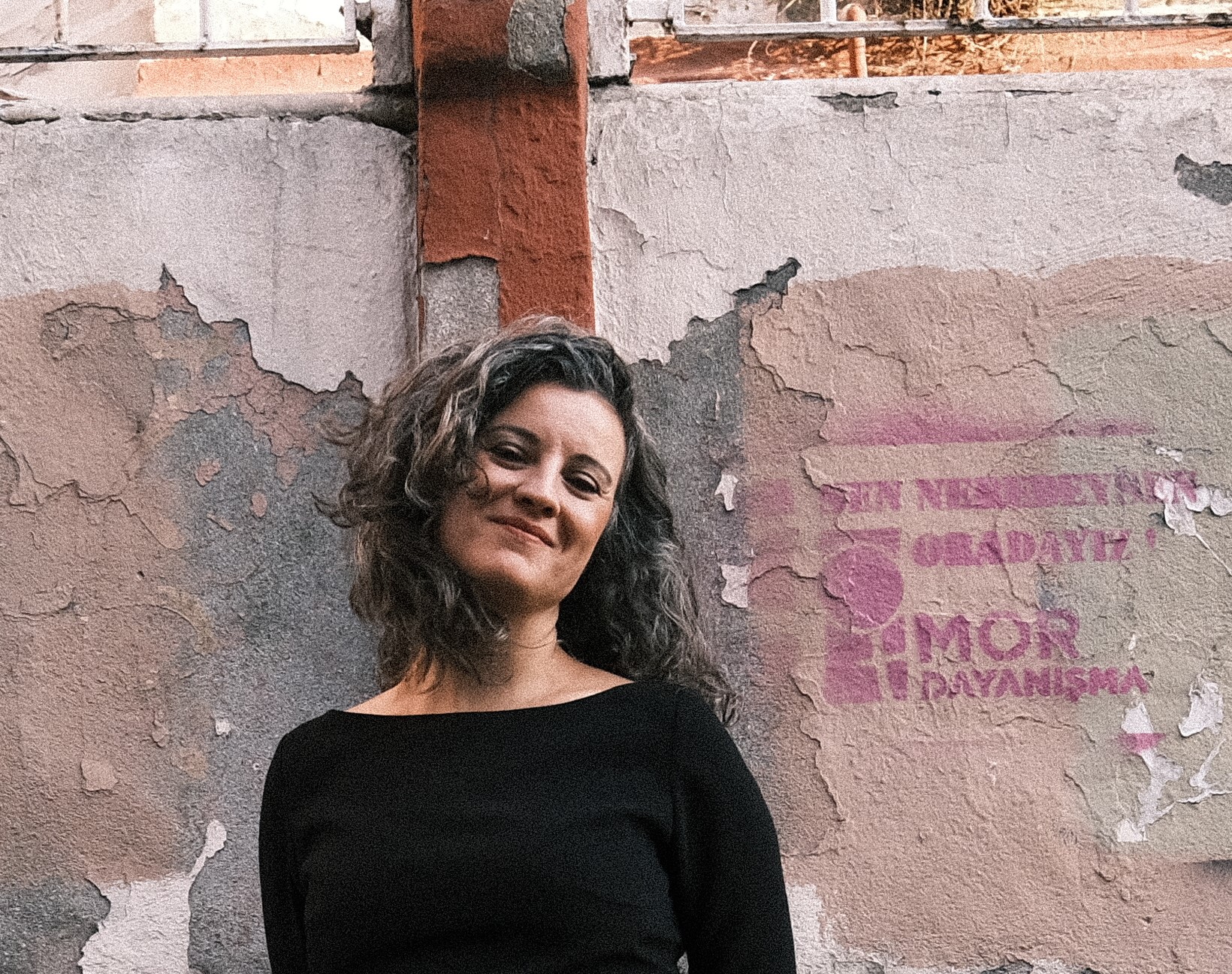
Image: Murat Çetinkaya
is a multidisciplinary artist whose practice spans photography, video, sculpture, and installation. Her works are based on site-specific documentary research, which she develops particularly in Eastern Europe, the Caucasus, the Baltic region, and the greater Hamburg area. She is currently doing her master studies at the Hochschule für Bildende Künste Hamburg.
A recurring aspect of her work is the critical engagement with historical narratives, through which she addresses themes of migration and the complex of post-traumatic experience. The interplay between global conditions and local experiences structures her investigations into border regimes and territorial spatial orders. At the core of her artistic practice lies the complex relationship between culture and nature in the context of crises and conflicts.
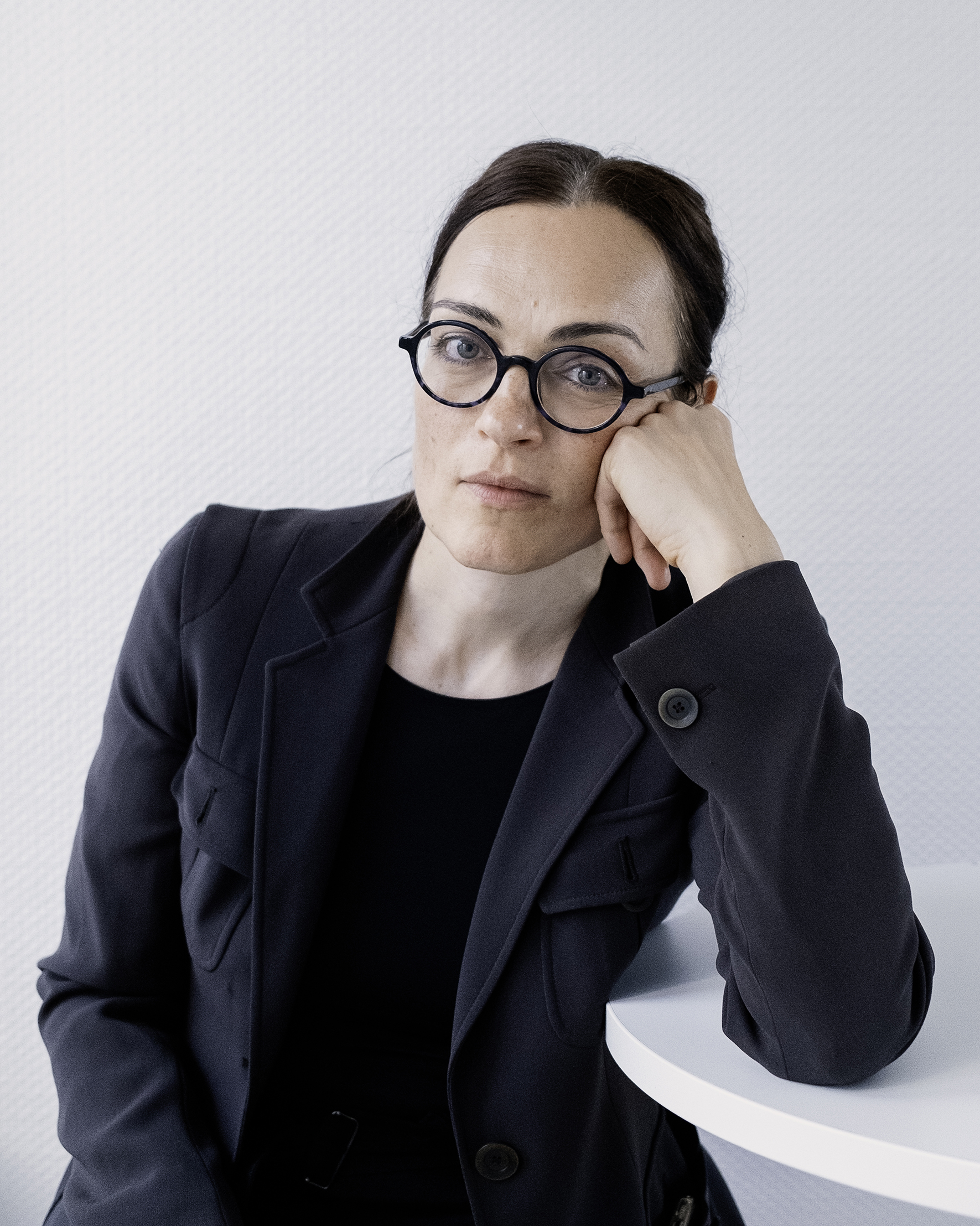
Image: Arthur Bondar